Knowing the signs you need a new roof can save you from a much bigger repair bill down the road.
Western Indiana’s weather makes this more urgent than it sounds. Fountain and Warren County roofs deal with hard winters, spring hail season, and freeze-thaw cycles that crack and lift shingles faster than most national averages account for.
Here are seven things to check before you call a contractor.
Not sure what you’re looking at up there? Taggart Construction offers free roof inspections in Fountain and Warren County. We’ll give you a straight answer about what your roof needs.
How Old Is Your Roof?
Age is the most important factor most homeowners overlook.
Standard 3-tab asphalt shingles last 15 to 20 years in Indiana. Architectural shingles hold up longer, usually 25 to 30 years.
Those are national averages. In western Indiana, freeze-thaw cycles through the winter months put extra stress on shingles every single year. If your roof is at or past the 20-year mark, don’t assume it has years left just because it hasn’t leaked yet.
Check your home purchase records or old permits. If you don’t have documentation, a roofer can estimate the age from the shingles themselves.
Granules Filling Up Your Gutters
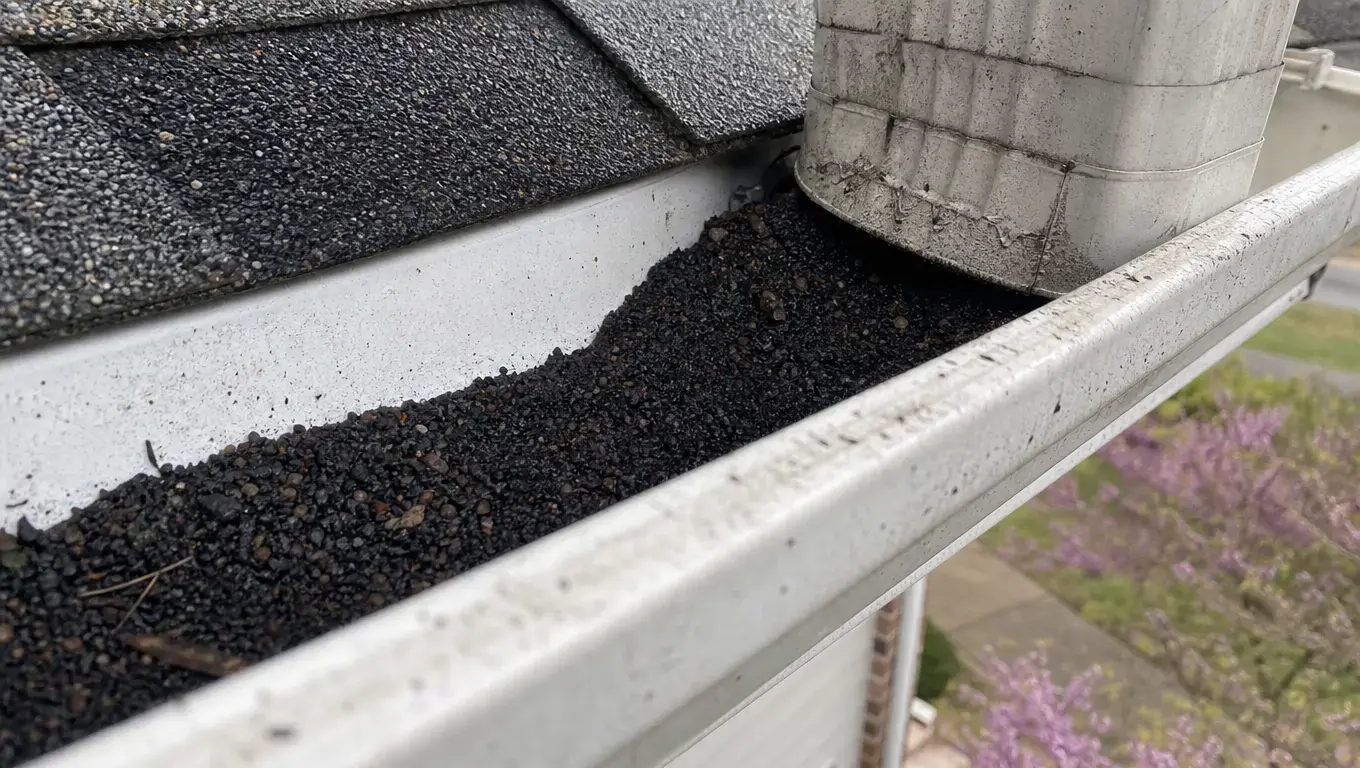
Walk around your home after a rain and check your gutters.
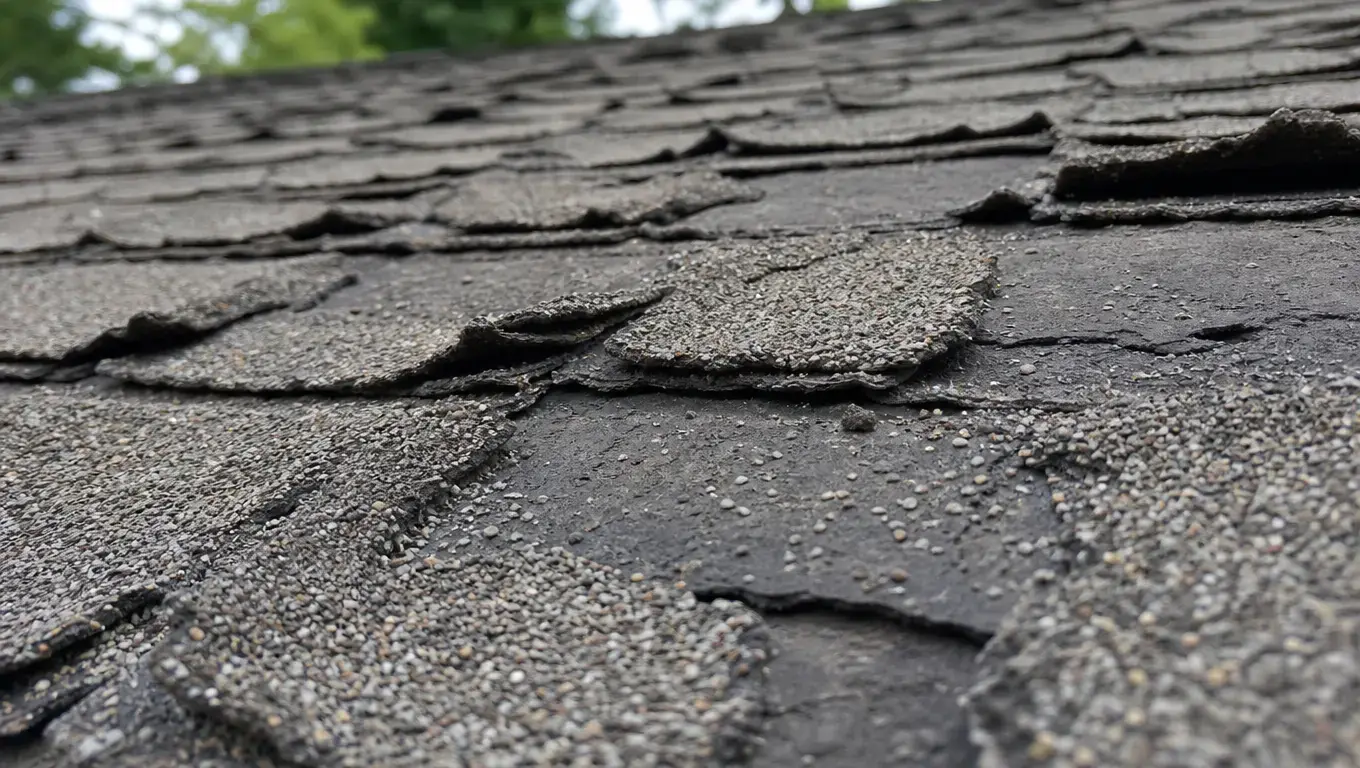
Asphalt shingles are coated with granules that protect against UV rays and moisture. When shingles start to fail, those granules wash off.
You’ll see dark, sandy material piling up in your gutters and at the base of your downspouts. Spring hail season in Indiana — typically April through June — accelerates this. A single hail event can knock years of granule life off a roof that was already aging.
Heavy accumulation on a roof that’s 15 or more years old is a real warning sign. Once the granules are gone, the asphalt dries out and breaks down much faster.
Missing, Cracked, or Curling Shingles
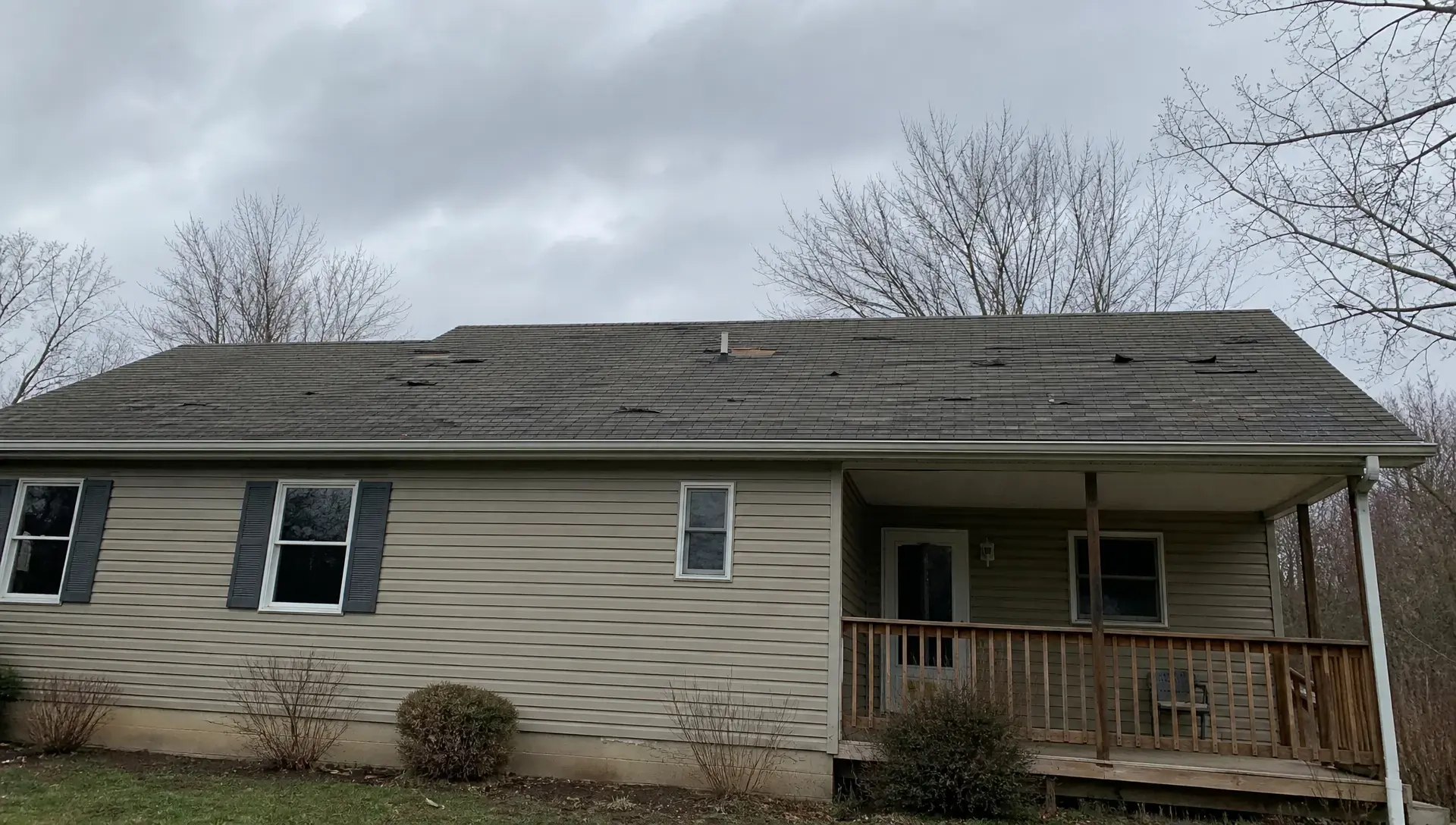
You can spot this one from the ground with a pair of binoculars.
Missing shingles leave the roof deck exposed to rain and sun. That’s not something you can ignore for long.
Curling shingles with edges turning up mean the material’s dried out and lost flexibility. In Indiana, that process speeds up with every winter freeze-thaw cycle. Cracked shingles from hail impact or thermal cycling mean the surface layer has broken down.
A few damaged shingles may be repairable. If you’re seeing the pattern spread across a large section of the roof, the whole surface is failing.
Water Stains in Your Attic
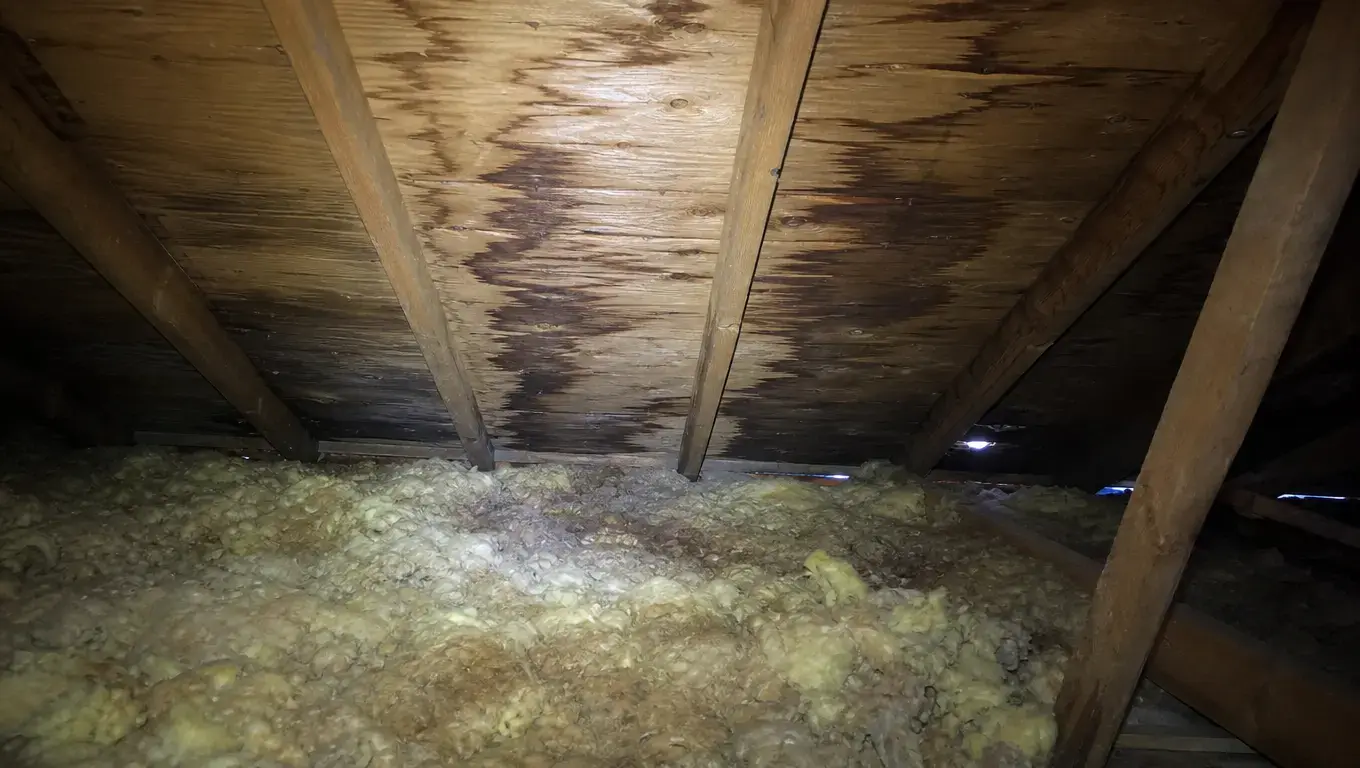
Before you call a roofer, go into your attic.
Grab a flashlight and look for dark water staining on the rafters or roof decking. Check the insulation for discoloration or compression from moisture.
A musty smell is another indicator, even if you can’t see active staining.
These signs confirm that water’s been getting through. The source is almost always a failing roof, not just a single damaged shingle.
Sagging or Soft Spots on the Roof Deck
This is the most serious sign on this list. It means the structural decking underneath the shingles has been compromised by moisture.
From outside, you may see a visible dip or wave in the roofline. From inside the attic, push up on the decking and feel whether it gives.
Sagging means rot. Laying new shingles on top of rotting wood solves nothing.
If you find this, call a contractor immediately and get an estimate for the full scope of work, not just a patch.
Repair or Full Replacement: How to Decide
Not every problem means a full replacement. Here’s how contractors typically make that call.
If the damaged area is under 30 percent of the roof surface and the remaining shingles are in solid condition, repair usually makes sense.
If repairs would cost more than 50 percent of a full replacement, or if the roof’s already 20 or more years old, replacement gives you a better return.
Before you start work, make sure you understand the permit situation. Indiana has no statewide permit requirement for roof replacement, but rules vary by county. Read our full guide on Indiana roofing permits — it covers Fountain County specifically. Regardless of permits, every roof in Indiana must meet the state’s adopted building code standards, administered by the Indiana Fire Prevention and Building Safety Commission.
A local Fountain County roofer can walk your roof and give you a written estimate that breaks down repair costs versus replacement costs side by side.
| Situation | Recommendation |
|---|---|
| Roof under 15 years old, isolated damage | Repair |
| Roof 15 to 20 years old, less than 30% damaged | Repair or partial replacement |
| Roof 20+ years, widespread damage | Full replacement |
| Visible sagging or rot in deck | Full replacement (structural repair first) |
| Repair cost is 50%+ of full replacement | Full replacement |
| Recent hail or storm damage | File insurance claim, get professional inspection first |
Frequently Asked Questions
How do I know if I need a new roof or just repairs?
Look at the age and scope. Isolated damage on a roof that’s under 20 years old is usually repairable.
If you’re seeing problems across most of the surface, or the roof’s already past its expected lifespan, a full replacement typically costs less over time than repeated repairs.
What do granules in the gutter mean?
It means your shingles are wearing out. Granules protect the asphalt from UV degradation.
Once they wash away, the shingles dry out and crack faster. Heavy granule loss on a roof that’s 15 or more years old usually means replacement is coming within a few years.
Can I replace just part of my roof?
Yes, partial replacements are common. The challenge is matching new shingles to old ones.
If the remaining shingles are still in good condition, a partial replacement makes sense. Your contractor can tell you whether the color match will be close enough.
How long does a roof last in Indiana?
Standard 3-tab asphalt shingles last 15 to 20 years in Indiana. Architectural shingles last 25 to 30 years. Metal roofing can last 40 to 70 years.
Those numbers assume average conditions. Fountain and Warren County winters with hard freeze-thaw cycles, plus spring hail exposure, typically put roofs at the lower end of those ranges.
Does homeowner’s insurance cover roof replacement?
It depends on the cause and your policy. Insurance typically covers sudden damage from hail, wind, or falling trees. It usually doesn’t cover wear and aging.
If you had a major storm recently, file a claim before making any repairs. The Indiana Department of Insurance has resources on filing property claims and understanding your policy rights if you run into issues with your carrier.
How much does a roof replacement cost in Indiana?
A typical asphalt shingle replacement on a 1,500 to 2,000 square foot home in Fountain or Warren County runs $8,000 to $15,000. That range holds for most standard residential work in the area.
Larger homes, steeper pitches, premium materials, or rotted decking that needs replacement will push the number up. Get two or three written estimates from local contractors before committing.
How do I find a reputable roofing contractor in Fountain or Warren County?
Ask for references from recent local jobs, verify the contractor is licensed and insured in Indiana, and get everything in writing including scope of work, materials, timeline, and warranty.
A contractor who’s worked in Covington and the surrounding Fountain County area knows what materials hold up here and what the local permit process looks like before the first shingle comes off.
A roof that’s been through Indiana winters and spring storm season takes a beating year after year. The seven signs above are your early warning system.
The sooner you catch them, the more options you have, whether that’s a targeted repair or a full replacement before a slow leak turns into a real problem.
Taggart Construction serves Veedersburg, Attica, Covington, and surrounding Fountain and Warren County communities. We do residential roofing only, and we’ll tell you exactly what your roof needs.